Ceramic Ball Bearings: The Key to High-Speed Pump Success
Ceramic ball bearings play a vital role in the success of high-speed pumps. Their superior performance and durability set them apart from traditional bearings. You benefit from reduced friction, which enhances efficiency and allows for higher speeds. Moreover, ceramic materials resist wear and corrosion, ensuring that your pumps operate reliably over time. The integration of a steel hybrid ceramic ball bearing can further improve the lifespan and performance of your high-speed motor bearing applications.
Key Takeaways
- Ceramic ball bearings reduce friction significantly, enhancing pump efficiency and allowing for higher speeds.
- These bearings excel in high-speed applications, handling speeds from 24,000 to 90,000 RPM without overheating.
- Ceramic materials resist wear and corrosion, leading to a longer lifespan and less frequent maintenance.
- Switching to ceramic ball bearings can lower energy consumption and improve overall system reliability.
- Investing in ceramic bearings contributes to sustainability by reducing waste and operational costs.
Benefits of Ceramic Ball Bearings
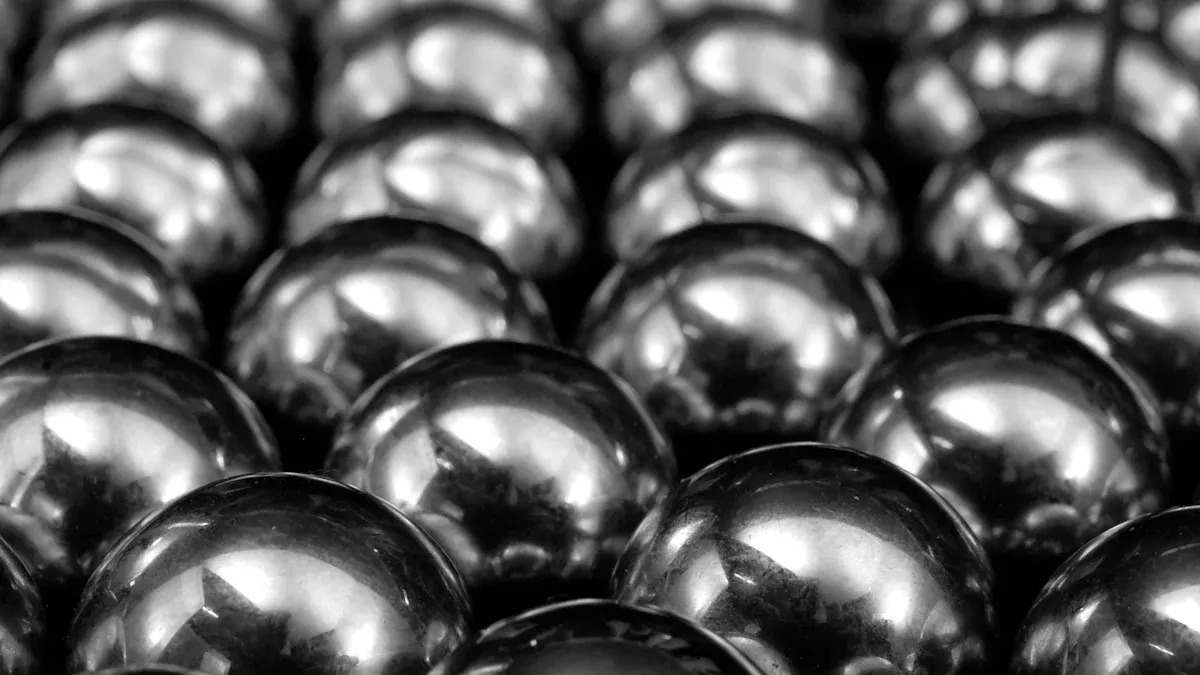
Reduced Friction
Ceramic ball bearings significantly reduce friction compared to traditional steel bearings. Laboratory tests consistently demonstrate that ceramic bearings produce less friction, especially at high speeds. Their smoother surface and greater hardness lead to reduced energy loss during operation. This reduction in friction not only enhances efficiency but also allows your pumps to run cooler and quieter.
- Key Points:
- Lower rolling resistance compared to steel.
- Enhanced speed and efficiency due to reduced energy loss.
- Less frequent lubrication needs, which simplifies maintenance.
| Bearing Type | Coefficient of Friction | Energy Loss | Lubrication Needs |
|---|---|---|---|
| Ceramic | Lower | Reduced | Less |
| Steel | Higher | More | More |
Increased Speed Capabilities
Ceramic ball bearings excel in high-speed applications. They can handle rotational speeds ranging from 24,000 to 90,000 RPM, making them ideal for turbomolecular pumps. These pumps operate under extreme conditions, requiring bearings that function without downstream contamination and lubrication loss. The lightweight nature of ceramic materials minimizes centrifugal forces, allowing for higher operational speeds without compromising performance.
- Advantages:
- Achieve maximum speeds without overheating.
- Operate efficiently under varying pressure conditions.
- Maintain performance in demanding environments.
Resistance to Wear and Corrosion
Ceramic ball bearings offer exceptional resistance to wear and corrosion. Made from silicon nitride, they are lighter than steel and do not rust, making them suitable for harsh environments. They operate at lower temperatures, which helps resist wear over time.
- Benefits:
- Require less frequent lubrication, reducing maintenance efforts.
- Exhibit a projected lifespan significantly greater than traditional steel bearings.
- Perform well in environments exposed to moisture and chemicals.
Comparison with Traditional Bearings
Performance Differences
When you compare ceramic ball bearings to traditional steel bearings, the differences in performance become clear. Ceramic ball bearings offer several advantages that enhance their functionality in high-speed pumps.
| Performance Metric | Ceramic Ball Bearings | Traditional Steel Bearings |
|---|---|---|
| Coefficient of Friction | Very low, ideal for reducing friction | Higher, leading to more friction |
| Service Life | 10-50 times longer for all-ceramic | Shorter lifespan |
| Lubrication Needs | Requires less lubricant | More dependent on lubrication |
| Rigidity | 15-20% greater rigidity | Lower rigidity |
| Corrosion Resistance | Superior resistance | Less resistant |
| Weight | 40% lighter, reducing centrifugal load | Heavier, increasing centrifugal load |
| Speed Capability | Higher speeds achievable | Limited speed capability |
| Thermal Performance | Better thermal performance | Generates more heat at high speeds |
These metrics highlight how ceramic ball bearings excel in various aspects, making them a superior choice for high-speed applications.
Maintenance Requirements
Ceramic ball bearings require less frequent maintenance than traditional bearings. You will find that they can operate effectively with little to no lubrication. This is a significant advantage, especially in environments where dust and contaminants are present. Traditional bearings typically need grease, which can attract dirt and increase friction.
- Ceramic bearings:
- Require less frequent lubrication.
- Resist wear and handle variable loads better.
- Are more suitable for harsh environments.
In contrast, traditional bearings have shorter service intervals, which can lead to increased downtime and maintenance costs.
| Bearing Type | Maintenance Interval | Advantages |
|---|---|---|
| Ceramic Ball Bearings | Less frequent lubrication | Lower friction, greater lifespan, corrosion resistance |
| Traditional Bearings | Shorter service intervals | Lower cost for less demanding applications |
Lifespan Comparison
The lifespan of ceramic ball bearings often surpasses that of traditional steel bearings. In high-speed applications, ceramic bearings can outlast steel bearings by a factor of 2x or more under similar conditions. This longevity results from their superior material properties, which resist wear and thermal degradation.
“Ceramic bearings can often outlast steel bearings by a factor of 2x or more under similar conditions, particularly in high-speed applications.”
This extended lifespan means you can rely on ceramic ball bearings for longer periods, reducing the need for replacements and maintenance.
Applications of Ceramic Ball Bearings in High-Speed Motors and Pumps
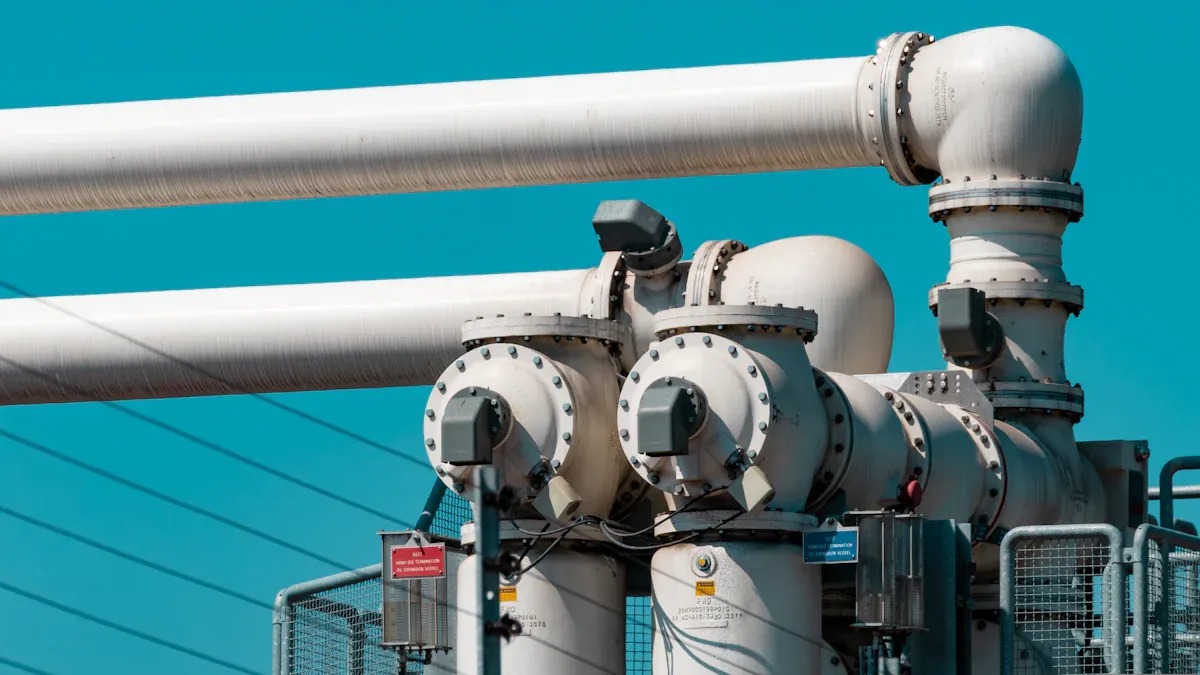
Industrial Use Cases
Ceramic ball bearings find extensive use in various industrial applications. Their high temperature resistance and corrosion resistance make them ideal for harsh environments. You can rely on them in pumps, aviation, and aerospace systems. Here are some key benefits:
- Low friction: This feature enhances efficiency and reduces energy consumption.
- Durability: Ceramic bearings last 5 to 20 times longer than traditional steel bearings.
- Hardness: Their harder surface minimizes the risk of seizure, ensuring smooth operation.
| Benefit | Description |
|---|---|
| Improved Reliability | Hybrid bearings with silicon nitride rolling elements enhance reliability in demanding conditions. |
| Reduced Friction | Lower friction at high speeds leads to cooler operation and longer lubricant life. |
| Enhanced Performance | Increased stiffness and service life in contaminated environments due to higher hardness of silicon nitride. |
| Corrosion Resistance | High-performance stainless steel rings can be used for superior corrosion resistance. |
| Smearing Prevention | Hybrid bearings prevent smearing, extending service life under improper lubrication conditions. |
Aerospace Applications
In the aerospace sector, ceramic ball bearings play a crucial role in high-speed pump and motor applications. Their lightweight nature significantly reduces fuel consumption and increases efficiency in aircraft. Key properties include:
- Durability: They resist corrosion and wear, ensuring reliable performance in harsh conditions.
- Low friction: This minimizes heat generation and maintenance needs.
- Thermal stability: They maintain performance under extreme temperatures.
You will find that major aircraft manufacturers use ceramic bearings in landing gear assemblies. This leads to longer service intervals and improved safety. Additionally, ceramic bearings enhance efficiency in hydraulic and fuel systems, which is vital for unmanned aerial vehicles (UAVs).
Automotive Industry
In the automotive industry, ceramic ball bearings are essential for high-speed pumps. They are commonly used in turbochargers, which enhance engine performance. Their applications also extend to transmissions and wheel hubs. Here are some advantages:
- Extreme temperature endurance: They perform well in high-speed applications.
- Friction reduction: This leads to improved efficiency in automotive systems.
- Reduced maintenance needs: This enhances reliability and longevity.
Ceramic bearings contribute to overall vehicle efficiency by minimizing friction and ensuring smooth operation.
Future Trends in Ceramic Ball Bearing Technology
Innovations in Materials
As technology advances, you can expect exciting innovations in ceramic materials for ball bearings. One notable development is the rise of silicon carbide (SiC) bearings. These outperform traditional ceramics like zirconia and alumina in several key areas. SiC exhibits exceptional hardness and wear resistance, making it ideal for abrasive environments. Traditional ceramics tend to wear out more quickly under similar conditions.
Additionally, SiC has superior thermal conductivity, allowing for better heat dissipation. This feature prevents overheating under heavy loads, a common issue with traditional ceramics. SiC also boasts high corrosion resistance, making it suitable for harsh chemicals. While traditional ceramics excel in toughness, particularly zirconia’s impact resistance, SiC’s performance advantages make it a preferred choice in demanding applications.
Sustainability Considerations
Sustainability is becoming increasingly important in manufacturing. Ceramic ball bearings offer several benefits that align with eco-friendly practices. Here’s a look at some of these advantages:
| Benefit | Description |
|---|---|
| Energy Efficiency | Ceramic ball bearings generate less heat, reducing energy consumption and improving overall efficiency. |
| Extended System Life | The properties of ceramic materials lead to longer life for bearings, reducing the need for replacements. |
| Reduced Maintenance Costs | Improved durability and efficiency result in lower maintenance requirements and costs over time. |
By choosing ceramic ball bearings, you contribute to a more sustainable future. Their energy efficiency and longer lifespan help reduce waste and lower your operational costs. As manufacturers continue to innovate, you can expect even more advancements that enhance both performance and sustainability in the world of high-speed pumps.
Ceramic ball bearings are essential for achieving high-speed pump efficiency and reliability. Their higher stiffness compared to steel ball bearings allows them to perform better under varying temperatures and speeds. This advantage leads to reduced friction and longer service life. By choosing ceramic ball bearings, you enhance your pump’s performance and minimize maintenance needs. Investing in these advanced bearings ensures that your systems operate smoothly and efficiently.
FAQ
What are ceramic ball bearings made of?
Ceramic ball bearings typically consist of silicon nitride. This material offers superior hardness, low friction, and excellent resistance to wear and corrosion, making it ideal for high-speed applications.
How do ceramic ball bearings improve pump efficiency?
Ceramic ball bearings reduce friction and heat generation. This leads to smoother operation, higher speeds, and lower energy consumption, ultimately enhancing the overall efficiency of your pump.
Are ceramic ball bearings suitable for all environments?
While ceramic ball bearings excel in harsh conditions, they may not be necessary for low-speed applications. Evaluate your specific needs to determine if ceramic bearings are the best choice for your environment.
How often should I lubricate ceramic ball bearings?
Ceramic ball bearings require less frequent lubrication than traditional steel bearings. Depending on your application, you may find that they operate effectively with minimal or no lubrication.
Can I replace steel bearings with ceramic ones directly?
Yes, you can replace steel bearings with ceramic ones. However, ensure that the dimensions and specifications match your application requirements for optimal performance.