How to Choose the : Types, Applications, and Key Differences
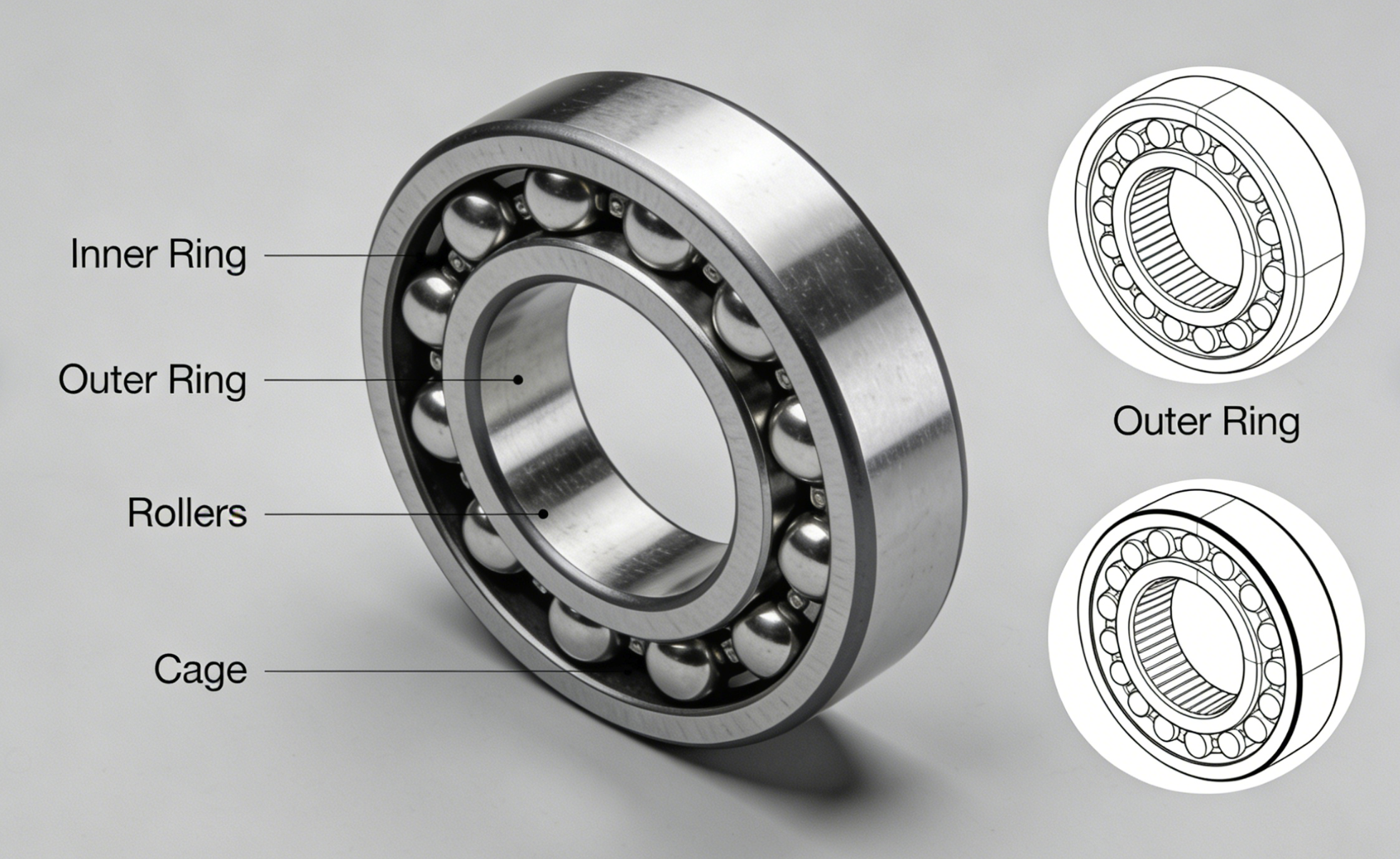
Roller bearings serve as essential components in various machinery, facilitating smooth movement and reducing friction. These devices utilize cylindrical, tapered, or spherical rollers to support loads, enabling efficient operation in numerous applications, including industrial roller bearings for conveyors.
The significance of roller bearings lies in their ability to enhance machinery performance. They minimize friction, leading to reduced heat generation and improved operational efficiency. Additionally, roller bearings distribute loads evenly across their surfaces, which boosts durability under heavy loads. Understanding the differences between tapered and cylindrical roller bearings can help in selecting the right type for specific applications. Proper maintenance, such as lubrication and regular inspections, can extend the lifespan of these long life bearings for harsh environments. Furthermore, many users wonder, can spherical roller bearings compensate misalignment? The answer is yes, making them a versatile choice for various machinery needs.
Key Takeaways
- Roller bearings reduce friction and enhance machinery performance, leading to improved efficiency and lower energy costs.
- Cylindrical roller bearings excel in handling heavy radial loads, making them ideal for applications like electric motors and gearboxes.
- Tapered roller bearings manage both radial and axial loads effectively, suitable for automotive and industrial machinery.
- Spherical roller bearings accommodate misalignment, providing reliability in heavy machinery and wind turbines.
- Regular maintenance, including lubrication and inspections, is crucial for extending the lifespan of all types of roller bearings.
Cylindrical Roller Bearings
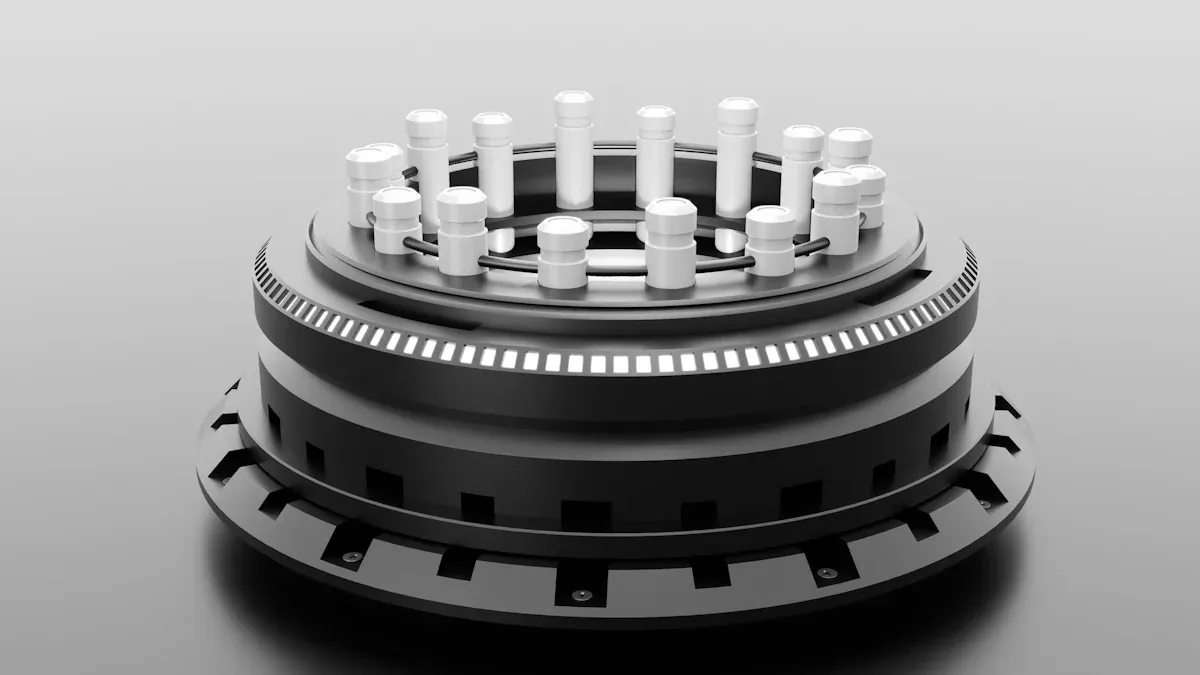
Cylindrical roller bearings are a type of roller bearing that utilizes cylindrical rollers to maintain separation between the moving parts of machinery. These bearings excel in handling radial loads, making them ideal for various applications. Their design allows for a larger contact area between the rollers and raceways, which enhances load capacity and stability.
Key Features of Cylindrical Roller Bearings
- High Load Capacity: The cylindrical shape of the rollers enables these bearings to support heavy loads effectively. This feature makes them suitable for applications in industries such as construction and manufacturing.
- Reduced Friction: The design minimizes friction between the moving parts. This reduction leads to improved efficiency and lower energy consumption in machinery.
- Versatile Design: Cylindrical roller bearings come in various configurations, including single-row, double-row, and multi-row designs. This versatility allows engineers to select the most appropriate bearing for specific applications.
Applications
Cylindrical roller bearings find use in numerous applications, including:
- Electric Motors: They support the rotor and stator, ensuring smooth operation.
- Gearboxes: These bearings handle the radial loads generated by gears, enhancing performance and longevity.
- Pumps: They provide stability and support for rotating components, ensuring efficient fluid movement.
Tip: When selecting cylindrical roller bearings, consider factors such as load capacity, speed, and environmental conditions. Proper selection ensures optimal performance and longevity.
Maintenance Considerations
To maximize the lifespan of cylindrical roller bearings, regular maintenance is essential. Key maintenance practices include:
- Lubrication: Ensure that bearings receive adequate lubrication to reduce wear and tear.
- Inspection: Regularly inspect bearings for signs of damage or wear. Early detection can prevent costly failures.
Tapered Roller Bearings

Tapered roller bearings are designed to handle both radial and axial loads, making them versatile components in various machinery applications. Their unique conical shape allows for efficient load distribution, which enhances their performance in demanding environments.
Key Features of Tapered Roller Bearings
Tapered roller bearings possess several structural features that contribute to their effectiveness:
| Feature | Description |
|---|---|
| High Load-Carrying Capacity | Capable of supporting substantial loads due to a larger contact area. |
| Precision and Operational Accuracy | Known for precision, ideal for applications requiring meticulous control. |
| Handling Axial and Radial Loads | Versatile in managing both axial and radial loads due to their design. |
These bearings can support up to 15% higher radial loads and 20% higher axial loads compared to similar-sized ball bearings. Most standard mounted tapered roller bearings can manage pure radial loads, pure axial loads, and any combination of these loading scenarios without requiring modifications.
Applications
Tapered roller bearings find applications in various industries, including:
- Automotive: They support wheel hubs and transmissions, ensuring smooth operation.
- Industrial Machinery: These bearings are used in gearboxes and conveyor systems, where they manage heavy loads effectively.
- Aerospace: Tapered roller bearings provide reliability in aircraft engines, where precision and durability are critical.
Maintenance Considerations
To ensure optimal performance and longevity, regular maintenance of tapered roller bearings is essential. Key practices include:
- Lubrication: Proper lubrication minimizes wear and prevents overheating.
- Inspection: Regular checks for signs of fatigue, contamination, or improper installation can prevent costly failures. Common failure modes include fatigue, poor lubrication practices, and contamination due to inadequate seals.
The conical shape of tapered roller bearings allows them to absorb significant radial and axial forces efficiently. This design not only enhances their load-carrying capacity but also makes them suitable for applications that require handling complex force combinations.
Tip: When selecting tapered roller bearings, consider the specific load requirements and operating conditions to ensure optimal performance.
Spherical Roller Bearings
Spherical roller bearings are designed to accommodate both radial and axial loads while allowing for misalignment. Their unique design features two rows of symmetrical rollers that operate within a spherical outer raceway. This configuration enables these bearings to handle heavy loads and compensate for shaft misalignment, making them ideal for various demanding applications.
Key Features of Spherical Roller Bearings
- Self-Aligning Capability: Spherical roller bearings can tolerate angular misalignment. This feature is particularly beneficial in applications where shaft movement may occur, such as in heavy machinery and industrial fans.
- High Load Capacity: These bearings support substantial radial and axial loads due to their larger contact area. This characteristic makes them suitable for heavy-duty applications.
- Durability: The robust design of spherical roller bearings enhances their operational life. They can withstand harsh conditions, making them reliable in various environments.
Applications
Spherical roller bearings find extensive use across multiple industries, including:
- Heavy Machinery: Commonly used in mining, construction, and agriculture for handling heavy radial loads.
- Gearboxes: These bearings support high radial and axial loads while compensating for misalignments.
- Wind Turbines: They manage heavy loads and address misalignment issues effectively.
- Paper Mills: Ideal for environments with long shafts and component expansion.
- Marine Propulsion Systems: Provide reliability under varying loads and speeds.
- Conveying Systems: Capable of coping with misalignment while carrying heavy loads.
- Industrial Fans and Blowers: Suitable for high-speed applications.
- Pumps and Compressors: Support high-speed shafts and accommodate load fluctuations.
- Vibrating Screens and Feeders: Ideal for handling heavy, impact loads.
- Railway Axleboxes: Used in applications with high radial loads and misalignment.
Maintenance Considerations
To ensure optimal performance, regular maintenance of spherical roller bearings is crucial. Key practices include:
- Lubrication: Proper lubrication minimizes wear and prevents overheating.
- Inspection: Regular checks for signs of fatigue or contamination can prevent costly failures.
How Spherical Roller Bearings Accommodate Misalignment
Spherical roller bearings possess a self-aligning capability that enables them to adjust to angular misalignment. This design helps accommodate misalignment caused by shaft deflection or improper mounting. By compensating for alignment issues, these bearings reduce internal stress and minimize wear, thus extending operational life.
Tip: When selecting spherical roller bearings, consider the specific load requirements and potential misalignment issues to ensure optimal performance.
Comparative Analysis
When selecting roller bearings, understanding their differences is crucial. Each type offers unique characteristics that suit specific applications. Below is a comparative analysis of cylindrical, tapered, and spherical roller bearings based on load handling, maintenance requirements, and their respective advantages and disadvantages.
Load Handling Characteristics
| Bearing Type | Load Handling Characteristics |
|---|---|
| Tapered Roller Bearings | Handles both radial and axial loads in one direction, ideal for high combined loads. |
| Spherical Roller Bearings | Suited for high radial loads and moderate axial loads, can accommodate some misalignment. |
| Cylindrical Roller Bearings | Best for huge radial loads, can transfer minor axial stresses depending on design. |
Cylindrical roller bearings excel in distributing stress elements effectively during impact. They manage significant radial loads while also handling a small amount of axial stresses based on their design.
Maintenance Requirements
Maintenance practices vary among the three types of roller bearings. Tapered roller bearings have a lower initial cost but require precise mounting for optimal performance. In contrast, spherical roller bearings, despite a higher initial cost, demand less maintenance due to their self-aligning feature. Cylindrical roller bearings necessitate regular inspections and proper lubrication to ensure longevity.
Advantages and Disadvantages
| Bearing Type | Advantages | Disadvantages |
|---|---|---|
| Tapered Roller Bearings | - Supports various directional loading | - Poor tolerance to dynamic misalignment |
| - High load capacity surpassing other types | - Speed limitations compared to ball bearings | |
| - True rolling motion reduces wear | ||
| - Available in mounted units for easy installation | ||
| - Configurations allow for misalignment expansion | ||
| Cylindrical Roller Bearings | - Good radial load capacity | - Limited axial load capacity |
| - Simple design and easy to manufacture | - Less effective in handling misalignment compared to spherical roller bearings | |
| Spherical Roller Bearings | - Excellent at handling dynamic misalignment | - Generally larger and heavier than other types |
| - High load capacity and can support both radial and axial loads | - More complex design can lead to higher manufacturing costs |
This comparative analysis highlights the importance of selecting the right type of roller bearing based on specific application needs.
In summary, understanding the different types of roller bearings—cylindrical, tapered, and spherical—enables professionals to make informed decisions. Each type offers unique advantages: cylindrical roller bearings excel in handling heavy radial loads, tapered roller bearings manage both radial and axial loads effectively, and spherical roller bearings accommodate misalignment while supporting substantial loads.
Selecting the right roller bearing is crucial for optimizing machinery performance. Factors such as load requirements, operational conditions, and maintenance needs play significant roles in this decision.
For those seeking further information on roller bearing selection and maintenance, numerous resources are available. Engaging with industry literature and expert consultations can enhance knowledge and ensure optimal bearing performance.
Tip: Always consider the specific application requirements when choosing roller bearings to maximize efficiency and reliability.
FAQ
What are the main differences between cylindrical, tapered, and spherical roller bearings?
Cylindrical roller bearings excel in radial load handling. Tapered roller bearings manage both radial and axial loads effectively. Spherical roller bearings accommodate misalignment while supporting heavy loads.
How do I know which roller bearing to choose for my application?
Consider factors such as load capacity, speed, and environmental conditions. Each bearing type has unique advantages suited for specific applications.
Can roller bearings be used in high-temperature environments?
Yes, many roller bearings are designed to withstand high temperatures. Selecting bearings with appropriate materials and lubrication is essential for optimal performance in such conditions.
How often should I inspect roller bearings?
Regular inspections are crucial. Check bearings at least every few months, or more frequently in high-load or harsh environments, to detect wear or damage early.
What maintenance practices extend the lifespan of roller bearings?
Key practices include proper lubrication, regular inspections, and ensuring correct installation. These steps help minimize wear and prevent premature failure.