Miniature Ball Bearings: Essential for Modern Automation Needs
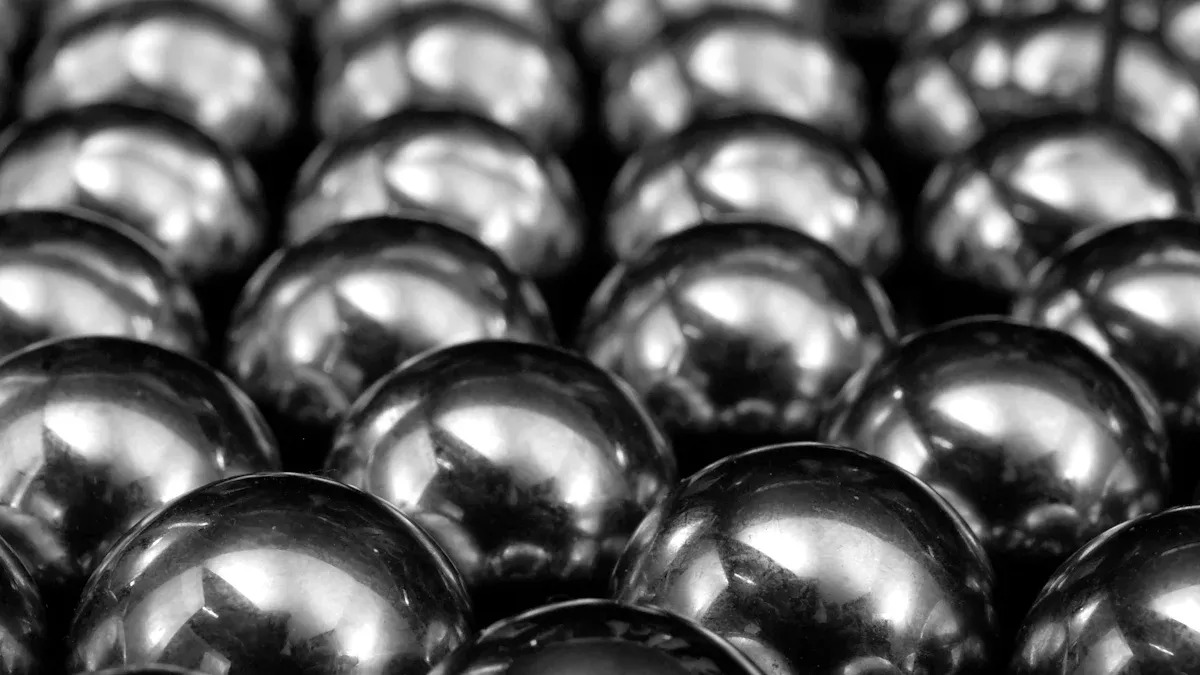
Miniature ball bearings serve as crucial components in various automation systems, significantly enhancing operational efficiency. These high precision bearings, including reel miniature ball bearings, reduce friction, allowing for smooth and rapid movements in machines. Their role becomes even more vital as industries increasingly rely on automation technology. With the miniature ball bearings market projected to reach USD 3.06 billion by 2032, the demand for precision in industrial applications continues to rise. Companies that prioritize precision can expect improved performance and reliability in their operations, especially when partnering with an OEM automation supplier.
Key Takeaways
- Miniature ball bearings reduce friction, enhancing the speed and efficiency of automation systems.
- High-precision bearings improve reliability by minimizing stress on components, leading to lower failure rates.
- Selecting the right materials and coatings for bearings ensures durability and resistance to harsh environments.
- Customization of miniature ball bearings can optimize performance for specific applications, reducing maintenance costs.
- Investing in quality miniature ball bearings can lead to significant long-term savings and improved operational efficiency.
Importance of High-Precision Miniature Ball Bearings
Enhancing Performance
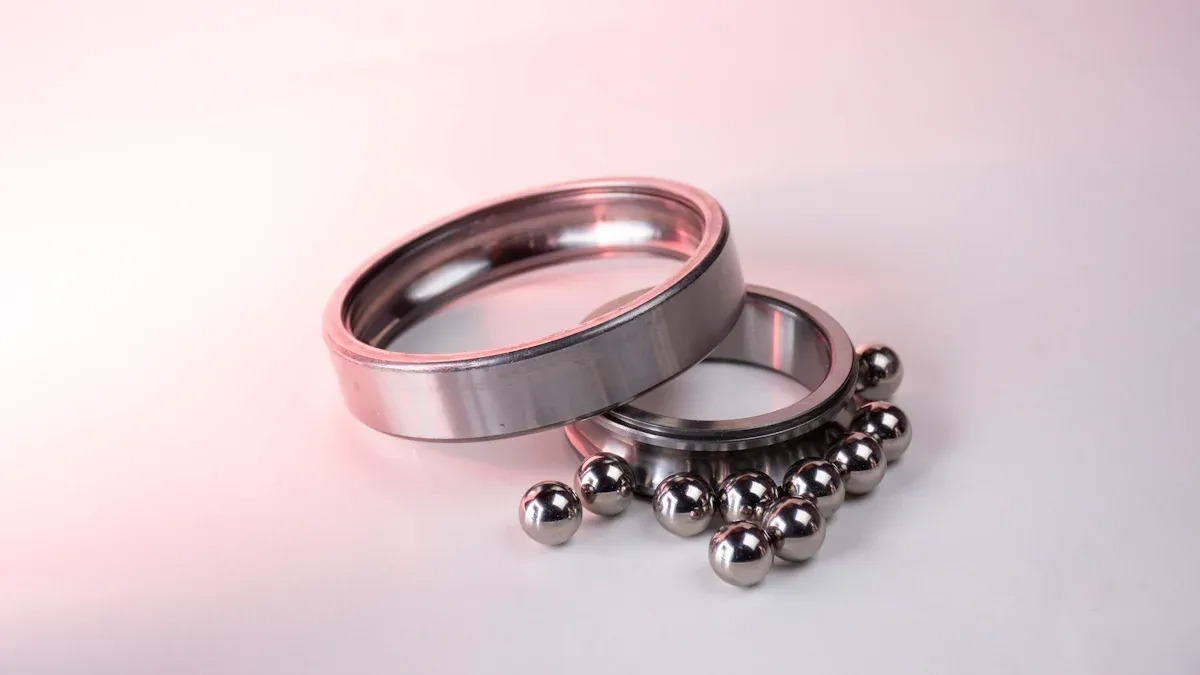
High-precision miniature ball bearings play a pivotal role in boosting the performance of automation equipment. They achieve this through several key mechanisms:
- Reduced Friction: These bearings minimize friction, which enhances the speed and agility of robotic movements. This reduction in friction allows for quicker response times and improved operational efficiency.
- Smoother Rotational Movement: By facilitating smoother rotational movement, miniature ball bearings are crucial for precision tasks. This smoothness is essential in applications where accuracy is paramount.
- Energy Efficiency: High-precision miniature ball bearings contribute to energy efficiency by lowering energy consumption during operation. This efficiency not only reduces operational costs but also supports sustainability efforts.
- Extended Lifespan of Components: Their design helps prolong the lifespan of robotic components by reducing wear and tear under high load conditions. This durability translates to fewer replacements and lower maintenance costs.
Increasing Reliability
Reliability is a cornerstone of any successful automation system, and high-precision miniature ball bearings significantly enhance this aspect. Here’s how:
- Minimized Stress and Strain: The small size of these bearings reduces friction between moving components, which minimizes stress and strain on mechanical parts. This leads to smoother robot operations and prolongs the lifespan of the entire system.
- Lower Failure Rates: Miniature ball bearings are designed for low friction and high precision, making them less likely to fail compared to larger, less efficient bearings. This reliability is crucial in maintaining continuous operations.
- Reduced Downtime: By ensuring smooth and precise movements, these bearings significantly reduce downtime and maintenance costs. This enhancement in operational efficiency allows businesses to focus on productivity rather than repairs.
Incorporating high-precision miniature ball bearings into automation systems not only enhances performance but also ensures reliability. As industries continue to evolve, the demand for these essential components will only grow.
Applications of Miniature Ball Bearings in OEM Industrial Automation
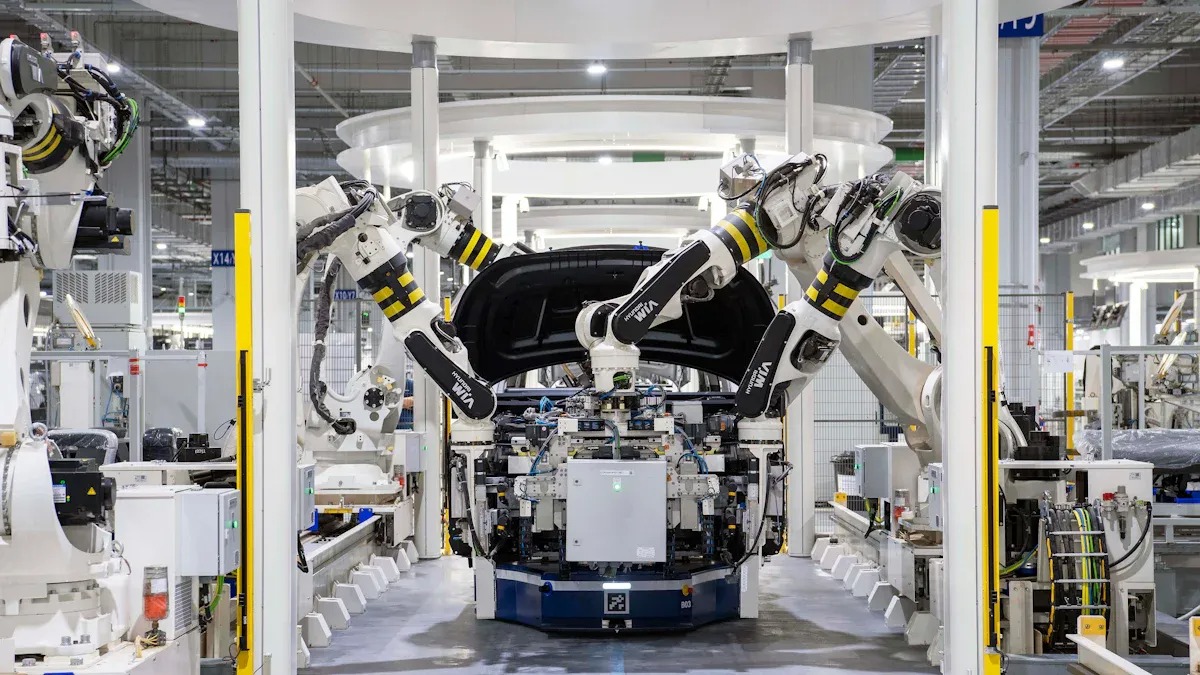
Miniature ball bearings are integral to various sectors within OEM industrial automation. Their compact size and high precision make them ideal for applications where space is limited and performance is critical. Below are some key areas where these bearings excel.
Robotics and Automation Equipment
In robotics, miniature ball bearings ensure precise motion control and reliability. They are essential for various robotic movements, including linear, joint, and arc motions. The following requirements highlight their importance:
- Precise Motion Control: Miniature ball bearings facilitate accurate movements, which are crucial for maintaining production schedules.
- Minimal Friction: These bearings reduce friction, allowing robots to operate smoothly and efficiently.
- Extended Service Life: Their durability leads to fewer replacements and lower maintenance costs.
Modern robots rely on precise, repeatable motion. At the heart of every joint is a bearing system that either enhances or hinders performance. When the right miniature ball bearing is used, it minimizes backlash and ensures even load distribution, which is vital for maintaining positional accuracy and structural stability.
Medical Devices
Miniature ball bearings play a critical role in the medical field, where precision and reliability are paramount. They are commonly found in:
- Dental drills
- Surgical tools
- Diagnostic equipment
These devices require bearings that comply with strict regulatory standards. For instance, miniature ball bearings must meet ISO 13485 for medical devices and adhere to FDA regulations in the U.S. Additionally, manufacturers often use biocompatible materials like stainless steel or ceramics to ensure safety and effectiveness.
Aerospace and Defense
In aerospace and defense applications, miniature ball bearings enhance reliability and safety. They are engineered to withstand extreme conditions, including high speeds and temperature fluctuations. Their role is crucial in supporting rotating shafts and reducing wear and tear on critical components like engines and landing gear systems.
Miniature ball bearings must perform reliably under various challenges, such as:
- Extreme temperatures ranging from 20 to 573 K
- High operational speeds, reaching up to 40,000 RPM
- Long operational lifespans, often exceeding 15 years in spacecraft systems
These bearings provide precision engineering and reduce friction, ensuring smooth operation in demanding environments.
Key Features of Miniature Ball Bearings to Consider
Load Capacity
Load capacity is a critical feature when selecting miniature ball bearings for automation projects. It determines how much weight the bearing can support without failure. Evaluating the load magnitude and direction ensures that the bearing can handle specific loads effectively. Miniature precision bearings excel in tight spaces, allowing them to manage high stresses while maintaining reliability. Bearings with higher load capacities are suitable for demanding environments, making them ideal for heavy-duty applications. Conversely, those with lower capacities work best for lighter, more precise tasks.
Noise Levels
Noise levels are another important consideration. In many applications, especially in medical devices and robotics, excessive noise can disrupt operations and affect user experience. High-precision miniature ball bearings are designed to operate quietly, minimizing vibrations and sound. This feature is essential for maintaining a conducive working environment and ensuring the longevity of equipment. Selecting bearings with low noise levels can significantly enhance the overall performance of automation systems.
Material and Coating Options
The materials and coatings used in miniature ball bearings greatly influence their durability and corrosion resistance. Corrosion poses a significant challenge, especially in harsh environments where exposure to moisture and chemicals is common. Choosing corrosion-resistant materials is essential for ensuring reliability and reducing maintenance costs. Here are some popular options:
- High nitrogen corrosion-resistant stainless steel (HNCR): Used for inner and outer rings, this material offers excellent resistance to corrosion.
- Ceramic balls: These enhance corrosion resistance and fatigue life, making them suitable for demanding applications.
- Advanced surface treatments: Nickel plating provides a protective barrier against moisture and chemicals, further extending the bearing’s lifespan.
Selecting the right materials and coatings not only protects against corrosion but also maintains the structural integrity of the bearing, ensuring smooth operation and reducing friction. This careful consideration leads to improved performance and longevity in various industrial applications.
Selection Criteria for OEM Projects Using Miniature Ball Bearings
When selecting miniature ball bearings for OEM projects, engineers must consider several critical criteria to ensure optimal performance and reliability. Understanding these factors can significantly impact the success of automation systems.
Application-Specific Requirements
Engineers should evaluate the following criteria to match miniature ball bearings to specific automation applications:
| Criteria | Description |
|---|---|
| Load and Speed Requirements | Understand both radial and axial loads, as well as operating speed limits. High-speed applications require balanced designs and proper lubrication. |
| Operating Environment | Temperature, moisture, and chemical exposure directly affect bearing performance. Stainless or ceramic options may be necessary for harsh conditions. |
| Accuracy Grade | Tolerance quality in the form of precision is denoted by ABEC or ISO classes. Better grades will facilitate stricter management and easier movement. |
| Lubrication Method | Grease or oil selection impacts friction, noise, and lifespan. Factory-lubricated bearings simplify installation and reduce maintenance. |
Supplier Capabilities
Choosing the right supplier is crucial for ensuring the quality and performance of miniature ball bearings. Consider the following capabilities:
| Capability | Description |
|---|---|
| Quality Assurance | Comprehensive quality control infrastructure, including CMM reports and life cycle testing. |
| Customization | Flexibility in design, accommodating non-standard sizes and special seals. |
| Scalability | Facilities exceeding 2,000 m² support large-scale orders, reducing costs through economies of scale. |
| Communication Efficiency | Fast response times and dedicated contacts enhance project timelines and service quality. |
Customization Options
Customization can greatly enhance the performance of miniature ball bearings in OEM automation systems. Here are some benefits:
- Custom ball bearings can be engineered to meet specialized specifications.
- They typically allow for better performance and lower maintenance costs.
- Investing in custom ball bearings leads to reduced downtime and improved product reliability.
Miniature ball bearings are very precise and cause less friction. They help machines run quietly and efficiently. Their design allows for versatility in application and longevity under heat.
By carefully considering these selection criteria, OEM engineers can ensure they choose the right miniature ball bearings for their automation projects, ultimately leading to enhanced efficiency and reliability.
High-precision miniature ball bearings play a vital role in modern automation. They enhance machine reliability, reduce downtime, and contribute to significant long-term savings. By minimizing friction, these bearings ensure smoother operations and prolong the lifespan of machinery.
- Investing in high-quality miniature ball bearings leads to:
- Reduced likelihood of costly breakdowns.
- Lower operating costs through energy savings.
- Increased durability, which minimizes maintenance frequency.
For OEM projects, choosing the right miniature ball bearings can enhance efficiency and reliability. Companies should prioritize these components to stay competitive in an evolving market.
FAQ
What are miniature ball bearings?
Miniature ball bearings are small, high-precision components that reduce friction in machinery. They enhance performance and reliability in various applications, including robotics, medical devices, and aerospace systems.
How do I choose the right miniature ball bearing?
Selecting the right miniature ball bearing involves considering load capacity, noise levels, and material options. Evaluate application-specific requirements to ensure optimal performance and longevity.
What materials are used in miniature ball bearings?
Common materials include stainless steel, ceramics, and high nitrogen corrosion-resistant stainless steel. These materials provide durability and resistance to wear, ensuring reliable operation in demanding environments.
Can miniature ball bearings be customized?
Yes, many manufacturers offer customization options for miniature ball bearings. Custom designs can meet specific application needs, enhancing performance and reducing maintenance costs.
How do miniature ball bearings improve energy efficiency?
Miniature ball bearings reduce friction, which lowers energy consumption during operation. This efficiency not only cuts costs but also supports sustainability efforts in industrial applications.