Top Industrial Applications for Bearings in 2026: Trends and Predictions
Bearings play a critical role in various industrial applications, and understanding Industrial Bearing Trends is essential for stakeholders. They facilitate smooth movement and reduce friction in machinery, enhancing efficiency and longevity. As industries evolve, predictions for Bearings in 2026 become increasingly important.
Several factors drive the growth of the global bearing market, including rising industrial production and increased demand for energy-efficient machinery. The future applications of bearings in robotics automation will significantly influence market dynamics, particularly in the realm of Industrial Automation Bearings. Additionally, leveraging predictive maintenance with bearings data will help industries optimize performance and reduce downtime. Adapting to these changes will enable stakeholders to meet the demands of What industries will demand bearings most in 2026?
Key Takeaways
- Bearings are essential for reducing friction and enhancing efficiency in machinery across various industries.
- Innovations in materials, such as ceramics and composites, improve bearing strength, durability, and performance.
- Smart bearings with sensors enable predictive maintenance, reducing downtime and improving operational efficiency.
- Sustainability is a growing focus, with manufacturers adopting eco-friendly practices and materials to meet market demands.
- The automotive and renewable energy sectors are expected to drive significant demand for advanced bearing technologies by 2026.
Advancements in Bearing Materials
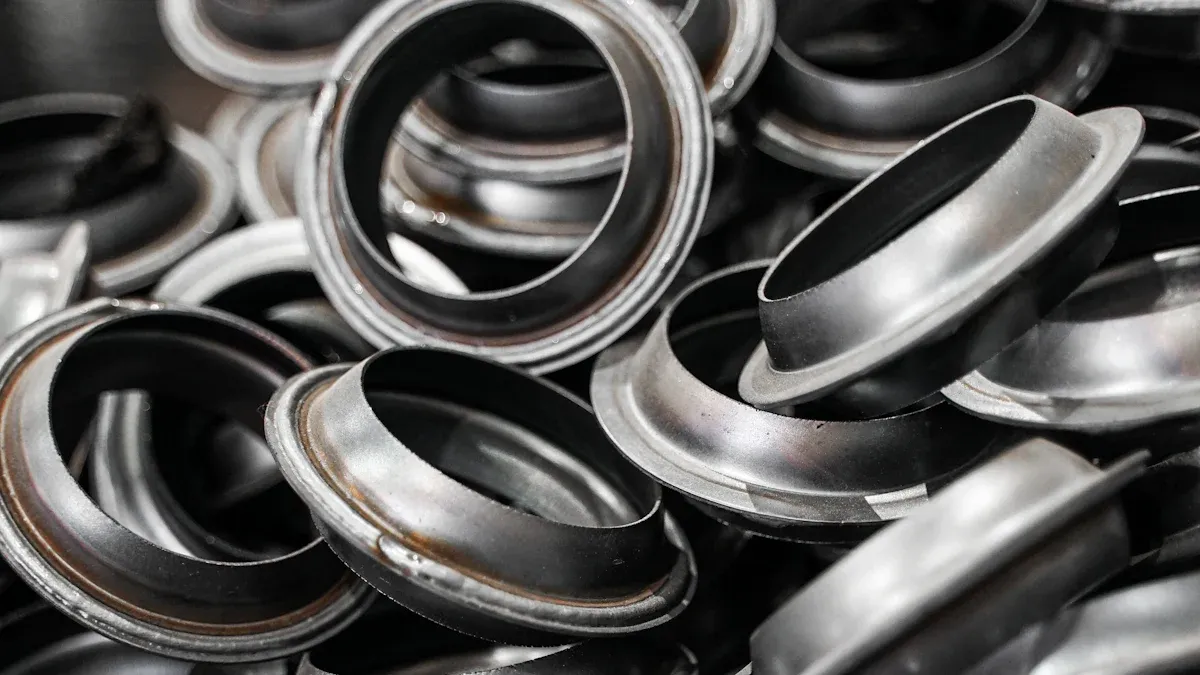
The evolution of bearing materials significantly enhances performance in various industrial applications. Innovations in materials science lead to the development of bearings that offer superior strength, durability, and efficiency.
Ceramic Bearings
Ceramic materials, such as silicon nitride and zirconia, have emerged as game-changers in the bearing industry. These materials provide several advantages:
| Feature | Description |
|---|---|
| Superior Strength and Durability | Ceramic materials withstand heavy loads and harsh conditions, ensuring longevity. |
| High Corrosion Resistance | Hybrid bearings with stainless steel rings excel in chemically exposed environments. |
| Longevity and Maintenance | Ceramic bearings require less maintenance due to their wear-resistant properties and low rolling resistance. |
Additionally, advancements in ceramic technology include:
- Enhanced Hardness and Strength: Nanoparticles reinforce the ceramic matrix, making bearings tougher against wear and deformation.
- Improved Thermal Stability: They can operate in extreme temperatures without losing structural integrity.
- Reduced Friction and Wear: The addition of nanoparticles minimizes friction, extending the lifespan of the bearings.
Composite Materials
Composite materials also play a crucial role in improving bearing performance, especially in high-load environments. Recent studies indicate that nano-graphene modified polyamide-imide coatings significantly enhance bearing characteristics:
- Surface roughness decreases by 59.14%.
- Adhesion increases by 81.13%, while friction reduces by 31.72%.
- The wear rate drops by 99.25%, showcasing enhanced durability and wear resistance.
These improvements make composite bearings ideal for demanding applications.
Nano-Coatings
The application of nano-coatings further elevates bearing performance. These coatings provide multiple benefits:
| Benefit | Description |
|---|---|
| Enhanced Hardness and Strength | Nanoparticles increase toughness and resilience against wear. |
| Improved Thermal Stability | Nanoceramic bearings maintain structural integrity in extreme conditions. |
| Reduced Friction and Wear | Lower friction leads to decreased wear rates and improved efficiency. |
| Corrosion Resistance | Nanoceramic bearings excel in harsh environments, offering superior protection against corrosion. |
Additive Manufacturing
Additive manufacturing techniques, such as 3D printing, revolutionize the production of advanced bearings. This technology allows for:
- The creation of complex geometries, reducing material waste.
- Rapid prototyping, which accelerates the development process.
- A projected market growth of 23.5%, reaching $30 billion by 2026.
Manufacturers utilizing additive techniques report increased efficiency, further driving the adoption of these innovative materials.
Technological Innovations
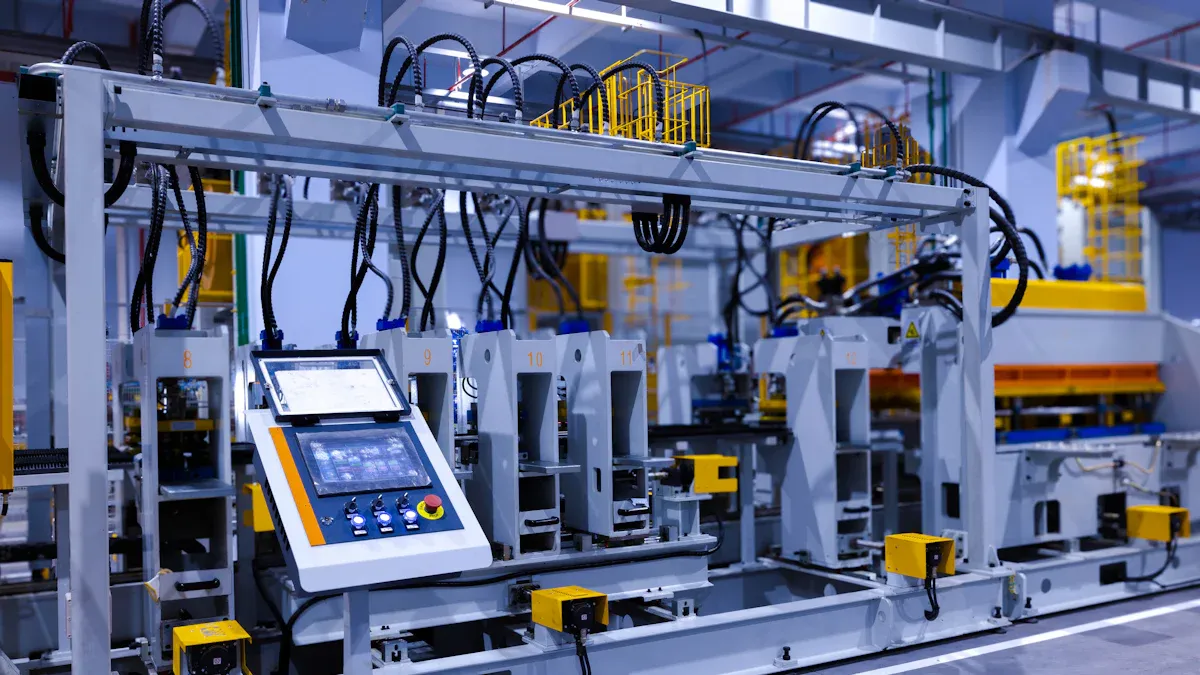
The bearing industry is witnessing rapid technological advancements that enhance performance and reliability in industrial applications. These innovations focus on improving efficiency, reducing maintenance, and integrating smart technologies.
Key Innovations in Bearing Design
Recent developments in bearing design have led to several noteworthy innovations:
| Innovation Type | Description |
|---|---|
| Maintenance-Free Designs | Innovations like NSK’s K1 lubrication units and self-lubricating materials eliminate the need for manual lubrication. This enhancement increases flexibility and reduces maintenance costs. |
| High Stiffness and Load Capacity | Advanced bearing designs, such as crossed rollers, provide high rigidity and load capacity. These features are crucial for maintaining accuracy in heavy payload applications. |
| Compact Footprint | Specialized bearings, like thin-section bearings, condense functionality into smaller sizes. This allows for lightweight and space-saving designs in automation systems. |
| Long Service Life and Reliability | Industrial-grade bearings are designed for durability, often exceeding tens of thousands of hours of operation with minimal maintenance. This translates to higher uptime and lower operational costs. |
| Crossed Roller Bearings | These bearings offer high rigidity and can handle forces from all directions. They are ideal for applications where space is limited but high precision is required, such as in robotic joints and precision rotary stages. |
Integration of Smart Technologies
The integration of smart technologies into bearings is transforming predictive maintenance in manufacturing plants. Intelligent bearings equipped with sensors monitor critical parameters like temperature, vibration, and load. This capability is essential for predictive maintenance.
- Smart bearings utilize real-time data to detect wear patterns and performance issues before they lead to machinery failures.
- Approximately 34% of new production facilities globally are implementing sensor bearings for predictive maintenance. This integration results in a 21% reduction in downtime.
The Rise of IoT-Enabled Bearings
The automotive industry is increasingly adopting IoT-enabled bearings, particularly in electric vehicles (EVs).
| Metric | Value |
|---|---|
| Percentage of EV models using IoT-enabled bearings | 54% |
- The automotive sector is the largest consumer of sensor bearings.
- The market is expected to grow due to increased vehicle production and demand for advanced driver-assistance systems (ADAS).
- The adoption of electric vehicles is driving the integration of smart sensor bearings.
These technological innovations not only enhance the performance of bearings but also align with the broader Industrial Bearing Trends that emphasize efficiency, reliability, and smart manufacturing solutions.
Sustainability in Bearing Manufacturing
Sustainability has become a crucial focus in bearing manufacturing. Manufacturers are increasingly adopting eco-friendly practices to reduce their environmental impact. This shift aligns with the growing demand for sustainable products in various industries.
One significant approach involves using recycled materials in production. Recycling helps reduce waste and lowers the carbon footprint associated with manufacturing processes. The benefits of using recycled materials include:
- Reducing waste in landfills.
- Lowering the carbon footprint associated with manufacturing processes.
- Supporting sustainability goals through the use of recycled materials.
Additionally, many manufacturers are exploring biodegradable materials. This trend appeals to environmentally conscious consumers and helps balance performance with sustainability. However, achieving this balance remains a challenge for many in the industry.
The European Union’s Green Deal, introduced in 2023, aims to reduce carbon emissions across industries. This initiative promotes energy-efficient components, including bearings. The EU allocated 150 billion to support companies transitioning to energy-efficient technologies. As a result, the market for sustainable bearings is expected to grow by about 10% annually. This growth reflects the increasing demand for products that minimize resource consumption.
Manufacturers are also focusing on energy-efficient production processes. These processes can lead to significant energy savings, with potential cost reductions of nearly 30% in various applications. By adopting these practices, companies not only contribute to environmental sustainability but also enhance their competitiveness in the market.
Impact of Smart Manufacturing
Smart manufacturing significantly transforms the bearing industry by enhancing production efficiency and quality control. The integration of advanced technologies, such as automation and real-time data analytics, plays a crucial role in this evolution.
One notable advancement is the use of THK linear bearings in automated systems. These bearings ensure precise and reliable movement, which minimizes friction and enhances machinery accuracy. In production lines, they facilitate high-speed assembly and reduce errors, leading to consistent product quality. Their design allows them to endure high loads and repetitive motions, minimizing downtime and maintenance costs. Furthermore, the integration of smart sensors enables real-time monitoring, supporting data-driven decision-making that boosts productivity.
Real-time data analytics also revolutionizes quality control in factories. A recent study by the Aberdeen Group revealed that predictive quality analytics can lead to a 35% decrease in quality-related defects. This proactive approach enhances monitoring and defect detection. Additionally, Deloitte’s research indicates that predictive maintenance can reduce machine downtime by 30-50%, which helps maintain production flow and improve overall quality. Bosch’s implementation of real-time monitoring resulted in a remarkable 90% reduction in customer complaints, demonstrating the effectiveness of these technologies in ensuring high standards.
Moreover, robotics and automation are reshaping bearing assembly lines. Industrial robots rely on various bearings for accuracy and longevity, which enhances performance. High-quality ball and roller bearings are essential for the precise motion of robotic arms, enabling continuous operation. Different bearing types, such as crossed roller bearings and slewing ring bearings, provide the necessary stiffness and accuracy for robotic movements. Linear motion systems benefit from linear bearings and guide rails, ensuring smooth operation in tasks like pick-and-place.
Key Industrial Applications
Bearings find extensive use across multiple industrial sectors, each benefiting from their unique properties. In 2026, several industries are projected to have the highest demand for bearings, including:
- Manufacturing
- Automotive
- Aerospace
- Defense
These sectors rely on bearings for their ability to reduce friction and enhance machinery efficiency. Additionally, other critical applications include:
- Energy Systems
- Construction
- Infrastructure
- Food & Beverages
In the renewable energy sector, bearings play a vital role in improving system reliability and efficiency. The following table outlines key applications of bearings in this sector:
| Application | Description |
|---|---|
| Wind Turbine Generators | Bearings prevent electrical arcs caused by the rotation of generators, enhancing safety and efficiency. |
| Solar Power Tracking Systems | Bearings reduce wear and extend the operational life of the tracking systems, improving reliability. |
The automotive industry, particularly with the rise of electric vehicles, increasingly adopts advanced bearing technologies. These innovations support the need for high-performance components that can withstand demanding conditions. In aerospace, bearings ensure the safety and reliability of aircraft systems, contributing to overall operational efficiency.
As industries evolve, understanding these key applications will help stakeholders align with the latest Industrial Bearing Trends. This knowledge will enable them to make informed decisions regarding the selection and implementation of bearings in their operations.
Global Market Trends
The global bearing market is evolving rapidly, driven by several key trends. These trends reflect the industry’s response to technological advancements, sustainability demands, and shifting consumer preferences.
Industrial Bearing Trends
Recent developments in industrial bearing design focus on several critical areas:
- Advanced Materials: Manufacturers increasingly utilize lightweight composites and ceramics. These materials enhance durability and reduce friction, leading to improved performance.
- Smart Bearings: The integration of sensors into bearings allows for real-time performance data collection. This innovation supports predictive maintenance, reducing unexpected equipment failures.
- Sustainability: Eco-friendly materials and recycling practices are gaining traction. Companies aim to minimize waste and align with global sustainability goals.
Regional Growth Insights
Regional dynamics significantly influence the bearing market. The Asia-Pacific region stands out as a leader in growth, driven by rapid industrialization and urbanization. The following table summarizes key insights:
| Region | Growth Drivers | Market Value (2026) | Leading Countries |
|---|---|---|---|
| Asia-Pacific | Rapid industrialization, urbanization, automotive, aerospace, machinery sectors | $80,000.0M | China, Japan |
| Middle East & Africa | Infrastructural developments, industrial growth | N/A | South Africa, UAE |
Countries like Japan and India also show promising growth. Japan’s market is projected to reach $5.41 billion, driven by increasing demand in automotive production. India, with a projected value of $3.65 billion, benefits from rising construction activities and investments in machinery.
Emerging Markets
Emerging markets play a crucial role in the global bearing industry expansion. The Middle East and Africa, valued at $4,200.4 million, are experiencing significant growth due to infrastructural developments and industrial growth. Key sectors such as oil and gas, construction, and manufacturing drive this demand. Countries like South Africa and the UAE lead this growth, supported by evolving regulatory frameworks that foster industrial expansion.
However, challenges exist for manufacturers entering these markets. Price volatility of raw materials and intense competition can affect profitability. Additionally, quality concerns from counterfeit products pose risks to brand reputation. Despite these challenges, the potential for growth in emerging markets remains substantial.
The bearing industry is poised for significant advancements by 2026. Key trends include the rise of 3D printed bearings, which offer custom designs and rapid prototyping, and smart bearings that integrate IoT for predictive maintenance. The market for eco-friendly bearings is expected to grow by approximately 10% annually, reflecting a shift towards sustainability.
| Innovation Type | Key Features |
|---|---|
| 3D Printed Bearings | Custom designs, lightweight construction, and fast prototyping. |
| Smart Bearings | Integration with IoT for real-time data analysis and improved quality control. |
| Self-Lubricating Bearings | Reduced maintenance needs through innovative lubrication technologies. |
| Energy Saving Designs | Use of low-friction materials to reduce energy consumption. |
| Environmental Focus | Development of eco-friendly materials to align with global sustainability trends. |
Industry stakeholders must adapt to these innovations and focus on strategic partnerships and digital transformation to remain competitive. Embracing these changes will ensure they thrive in the evolving landscape of industrial applications.
FAQ
What are the main benefits of using advanced bearing materials?
Advanced bearing materials, such as ceramics and composites, offer superior strength, reduced friction, and enhanced durability. These materials improve efficiency and longevity, making them ideal for demanding industrial applications.
How do smart bearings contribute to predictive maintenance?
Smart bearings equipped with sensors monitor critical parameters like temperature and vibration. They provide real-time data, allowing industries to detect wear patterns and address issues before they lead to equipment failures.
What role do bearings play in renewable energy systems?
Bearings are essential in renewable energy systems, such as wind turbines and solar trackers. They enhance reliability and efficiency, ensuring optimal performance and longevity in these critical applications.
How is sustainability impacting bearing manufacturing?
Sustainability drives manufacturers to adopt eco-friendly practices, such as using recycled materials and energy-efficient production processes. This shift aligns with global sustainability goals and meets the growing demand for environmentally responsible products.
What industries are expected to demand the most bearings in 2026?
In 2026, industries such as manufacturing, automotive, aerospace, and renewable energy are projected to have the highest demand for bearings. These sectors rely on bearings for improved efficiency and reduced friction in machinery.