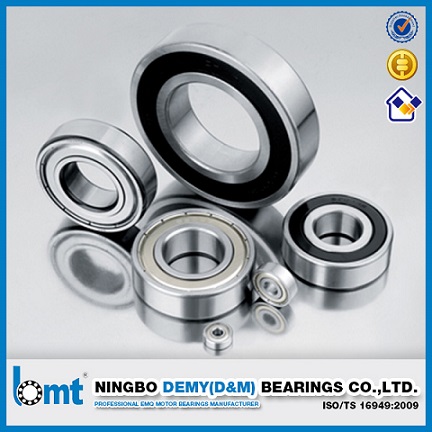
Understanding Bearing Seals and Shields: Types and Selection Criteria
Bearings operate at the core of modern machinery, but their durability often depends on a component that is frequently underestimated: seals and shields. These elements act as the bearing’s immune system, preventing contaminants from entering while keeping lubrication inside the bearing. In many real-world cases, premature failure is caused not by poor bearing design, but by an unsuitable sealing choice. A clear understanding of bearing seals allows engineers to extend service life and reduce unexpected equipment shutdowns.
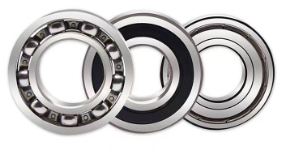
The Role of Seals and Shields in Bearing Performance
Seals and shields serve as the first line of defense against dust, moisture, and foreign particles. At the same time, they must allow the bearing to rotate efficiently without generating excessive friction or heat. This balance between protection and performance is critical, especially in high-speed or continuous-duty applications. Selecting the correct sealing structure ensures effective bearing protection while maintaining stable operating conditions over time.
ZZ Metal Shields: Basic Defense with Low Friction
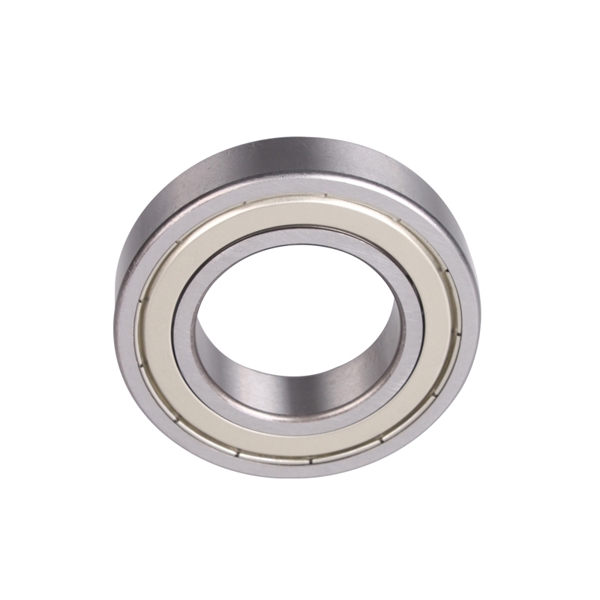
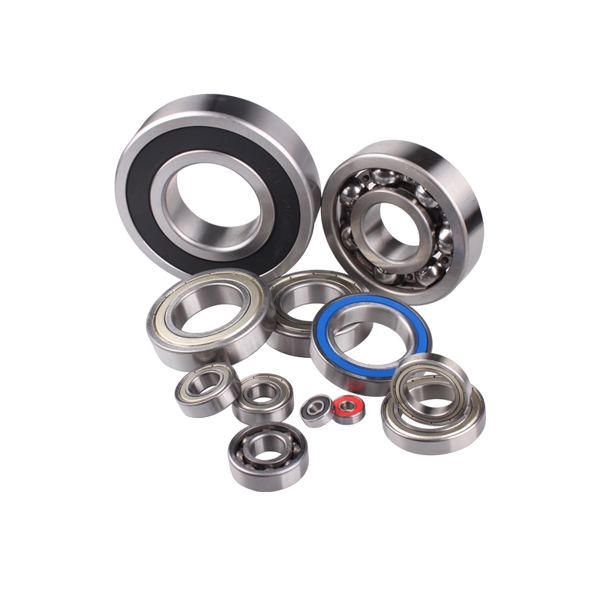
ZZ metal shields are thin steel covers installed on one or both sides of a bearing. They operate without physical contact with the inner ring, which keeps friction torque extremely low and allows for high rotational speeds. This design offers basic protection against large solid contaminants, making it suitable for clean environments such as electric motors and office equipment. However, because the shield does not form a tight seal, metal shield bearings are not recommended for dusty, wet, or high-contamination conditions.
RS and RZ Contact Rubber Seals: Strong Contamination Resistance
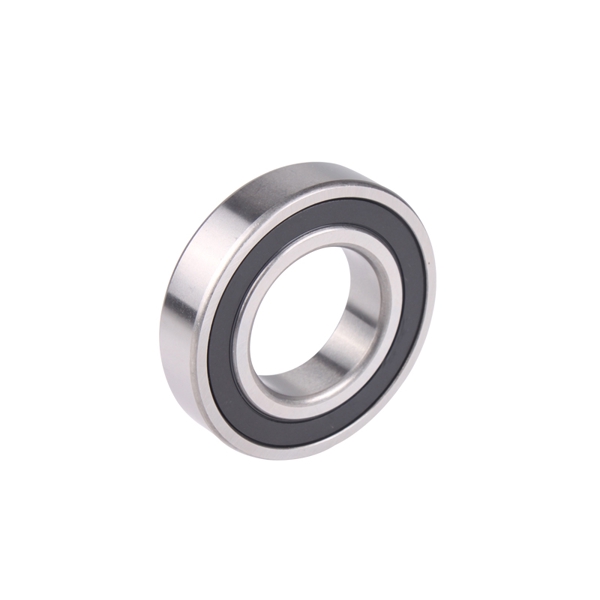
RS and RZ bearings use elastomer seals that maintain contact with the inner ring, forming a physical barrier against dust and moisture. This design significantly improves sealing performance and helps retain grease for extended periods. While the contact creates slightly higher friction and limits maximum speed, it offers reliable protection in harsh industrial environments. For machinery exposed to water spray or fine particles, rubber sealed bearings provide a practical and durable solution.
Key Selection Criteria for Seals and Shields
Selecting the correct seal or shield requires a systematic evaluation of operating conditions. Speed capability determines whether contact seals are acceptable. The required sealing level depends on environmental contamination, while temperature compatibility must match both seal materials and lubrication properties. Friction torque requirements also influence energy efficiency and heat generation. Applying clear bearing selection criteria helps avoid overspecification and ensures optimal performance throughout the bearing’s service life.
DEMY Solutions for Diverse Sealing Requirements
DEMY offers a comprehensive range of bearings with multiple sealing and shielding options, including ZZ metal shields, RS/RZ rubber seals, and customized non-contact configurations. By combining advanced materials, precision manufacturing, and strict quality control, DEMY supports automotive, industrial, and specialized equipment worldwide. Our engineering team works closely with customers to match sealing performance with real operating conditions, delivering reliable DEMY bearing solutions that maximize uptime and long-term value.