Why Choose Agricultural Bearings for Tough Conditions
Agricultural bearings are essential for ensuring optimal performance of farm machinery OEM in challenging environments. These heavy-duty bearings offer superior durability and reliability compared to standard bearings. In fact, more than half of all machine failures arise from bearing faults. Investing in agricultural bearings can lead to significant long-term cost savings.
Key Takeaways
- Investing in agricultural bearings enhances machinery durability, reducing the risk of breakdowns during critical farming periods.
- Agricultural bearings require less maintenance due to their robust design and sealing systems, leading to significant cost savings over time.
- These bearings perform reliably in extreme temperatures and harsh conditions, ensuring optimal performance and longevity of farm equipment.
Benefits of Long-Life Agricultural Bearings
Enhanced Durability
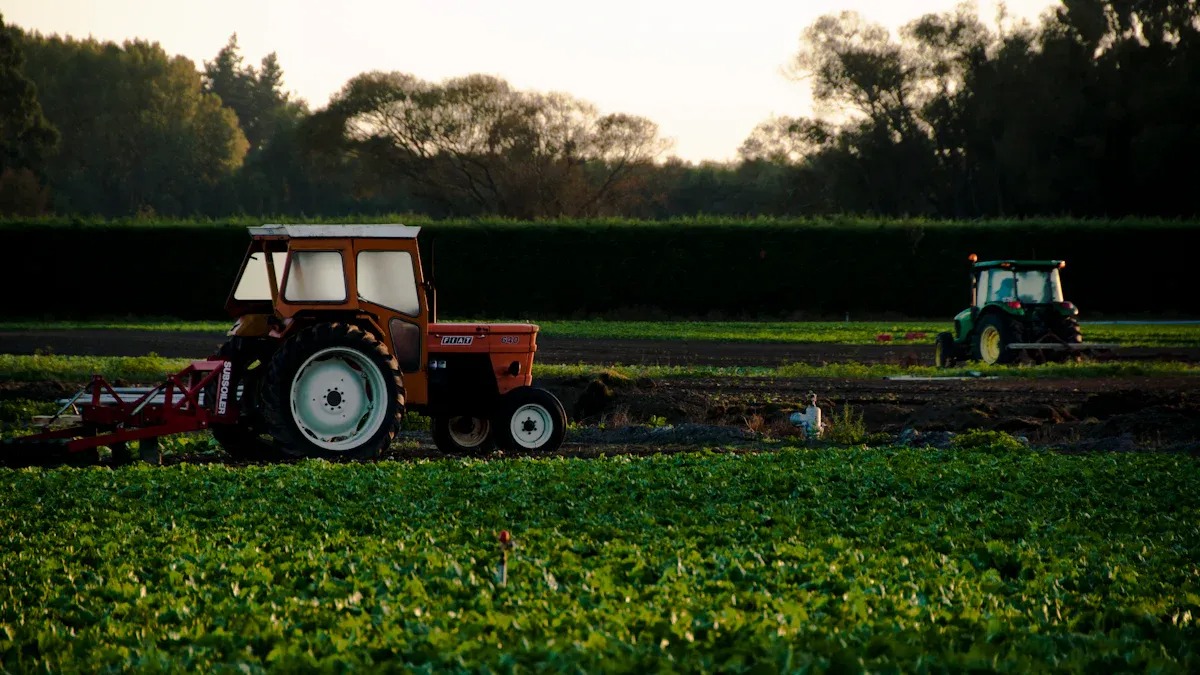
Long-life agricultural bearings are engineered to withstand the rigors of demanding agricultural environments. They utilize high-quality materials that enhance their durability. For instance, high carbon chromium-bearing steel offers exceptional hardness and fatigue life, making it suitable for heavy loads. Case carburizing bearing steel provides a hard surface for wear resistance while maintaining a tough core for impact absorption.
| Material Type | Key Characteristics | Applications |
|---|---|---|
| High Carbon Chromium-Bearing Steel | High wear resistance, exceptional hardness, increased toughness, and fatigue life. | Suitable for various bearing applications requiring durability under heavy loads. |
| Case Carburizing Bearing Steel | Hard surface for wear resistance, tough core for impact absorption. | Ideal for large bearings or those with complex shapes, especially under cyclic loads. |
Agricultural bearings also feature advanced designs that reduce friction and enhance performance. Innovations such as sealed spherical roller bearings prevent contamination, which is crucial in muddy or dusty conditions. This design minimizes the need for relubrication, leading to longer service life and lower maintenance costs.
Performance Under Pressure
Agricultural bearings excel under heavy load conditions, ensuring reliable performance during peak operational periods. They are specifically designed to handle immense loads and stresses typical in agricultural operations. The use of angular contact ball bearings allows them to manage significant axial and radial loads simultaneously, enhancing their resilience.
| Feature | Description |
|---|---|
| Higher Load Capacity | Designed to withstand immense loads and stresses of heavy agricultural operations. |
| Durability and Reliability | Ensures machinery can handle intensive agricultural demands without compromising performance. |
Field tests demonstrate that agricultural bearings outperform standard bearings in terms of wear and tear. They are built to endure extreme conditions, which significantly reduces the risk of machinery breakdown during critical times. Regular maintenance practices, such as monitoring temperature and ensuring proper lubrication, further extend their lifespan.
Agricultural Bearing Resistance to Environmental Factors
Protection Against Moisture and Dirt
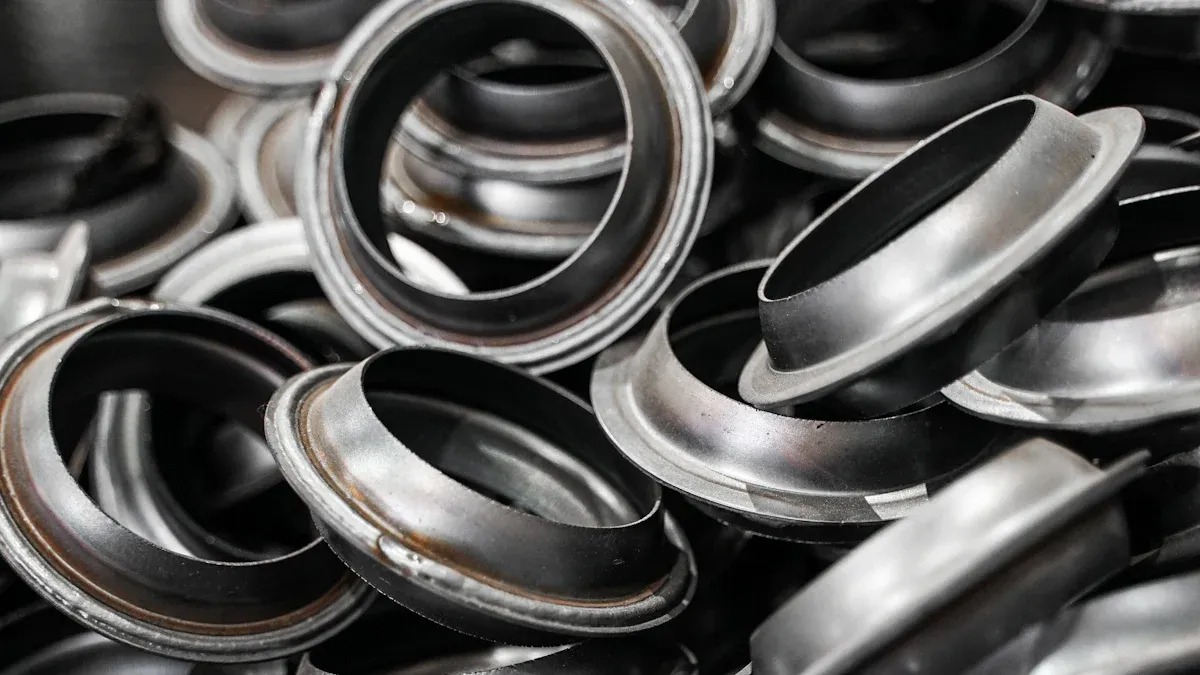
Agricultural bearings face significant challenges from moisture and dirt in the field. These elements can lead to rust, seal degradation, and contamination, which compromise bearing integrity. To combat these issues, manufacturers design agricultural bearings with advanced sealing systems. These seals effectively block soil and water from entering the bearing assembly, ensuring optimal performance in harsh conditions.
| Seal Type | Description |
|---|---|
| Metal Seals (2RS) | Provide a tight barrier against contaminants using a rubber or synthetic material coating. |
| Rubber Seals | Made from synthetic rubber materials, offering resistance to oils, weathering, and chemicals. |
| Felt Seals | Simple and cost-effective, they prevent contamination and retain lubrication within the bearing. |
The sealing design not only keeps contaminants out but also ensures that lubricants remain intact. This enhances the durability and operational efficiency of agricultural bearings, allowing them to perform reliably in muddy or dusty environments.
Temperature Tolerance
Temperature extremes pose another challenge for agricultural bearings. They must operate effectively in both scorching heat and freezing cold. High temperatures can cause lubricants to break down, increasing friction and the risk of overheating. Conversely, extreme cold can thicken lubricants, reducing their effectiveness and potentially leading to misalignment or brittle fractures.
Agricultural machinery operates in diverse climates, subjecting bearings to both scorching heat and freezing cold. These temperature extremes can cause expansion and contraction of materials, adding stress to the components. Such thermal fluctuations can lead to changes in bearing dimensions, potentially affecting their fit and performance within the machinery.
Agricultural bearings are designed to withstand these temperature variations, ensuring reliable performance. They often have a maximum operating temperature of up to 120°C, with some high-temperature variants capable of enduring even higher levels. This resilience is crucial for maintaining productivity during peak operational periods.

Cost Savings with Agricultural Bearings
Reduced Maintenance Costs
Investing in agricultural bearings significantly reduces maintenance costs for farmers. These bearings are designed to withstand harsh conditions, which minimizes the frequency of replacements. Unlike standard bearings, agricultural bearings often require less maintenance due to their robust construction and sealing systems.
- Agricultural bearings operate in extreme environments, exposing them to dirt, mud, and water. This exposure can lead to accelerated damage in standard bearings.
- The lifespan of agricultural bearings is often longer because they handle constant shock loads and intense strain. This is especially true for machinery like combines and loaders.
- Sealed bearings perform better in rugged conditions compared to re-greasable versions, unless daily maintenance is performed.
A well-planned maintenance schedule can further enhance the lifespan of agricultural bearings. Regular checks and proper lubrication ensure optimal performance, reducing the risk of unexpected failures. Downtime during peak harvest season can be a nightmare, especially when equipment fails due to bearing issues. By maintaining agricultural bearings, farmers can significantly reduce downtime and enhance overall productivity.
Increased Machinery Lifespan
Agricultural bearings contribute to the increased lifespan of machinery. Their high-quality materials and advanced designs allow them to endure the rigors of agricultural work. This durability translates into fewer replacements and repairs over time.
| Feature | Traditional Greased Bearing | Self-Lubricating Bronze Gleitlager | Agricultural Impact & Significance |
|---|---|---|---|
| Lubrication | Requires regular, manual greasing schedule | Lubricant integrated within the bearing material | Massive reduction in maintenance time & labor. Eliminates missed grease points & associated failures. |
| Contamination Resistance | Relies on external seals; vulnerable to ingress if seals fail | Inherently more resistant; lubricant is internal | Significantly higher reliability in dusty/dirty conditions. Less chance of abrasive paste formation. |
| Downtime | Higher risk due to lubrication needs & contamination issues | Lower risk due to maintenance-free operation & robustness | Increased machine uptime during critical seasons. More productive hours, less lost revenue. |
| Total Cost of Ownership | Lower initial cost, but high costs for grease, labor, downtime | Potentially higher initial cost, but lower lifetime cost | More cost-effective long-term. Factors in maintenance, failures, and lost productivity. |
By improving equipment efficiency, agricultural bearings help farmers save on operational costs. They reduce friction between moving parts, allowing machinery to operate more smoothly. This efficiency leads to lower energy consumption and enhances the longevity of machinery. Overall, investing in agricultural bearings proves to be a wise decision for farmers looking to maximize their operational efficiency and minimize costs.
Long-life agricultural bearings play a crucial role in maximizing machinery efficiency in tough conditions. They offer several benefits, including:
- Improved efficiency through reduced friction.
- Increased longevity, leading to fewer repairs.
- Enhanced performance for heavier loads.
Investing in these bearings can yield long-term savings and improved operational performance. Farmers can enjoy peace of mind knowing their equipment remains reliable during critical periods. Consider upgrading to agricultural bearings for your machinery needs.
High-quality synthetic grease also protects bearings from wear, ensuring consistent performance even in extreme temperatures. <<<
FAQ
What are agricultural bearings?
Agricultural bearings are specialized components designed to withstand harsh conditions in farming machinery, ensuring durability and reliability during operation.
How do agricultural bearings reduce maintenance costs?
These bearings feature robust designs and advanced sealing systems, minimizing the need for frequent replacements and maintenance in challenging environments.
Can agricultural bearings operate in extreme temperatures?
Yes, agricultural bearings are engineered to function effectively in both high and low temperatures, ensuring reliable performance across diverse climates.